


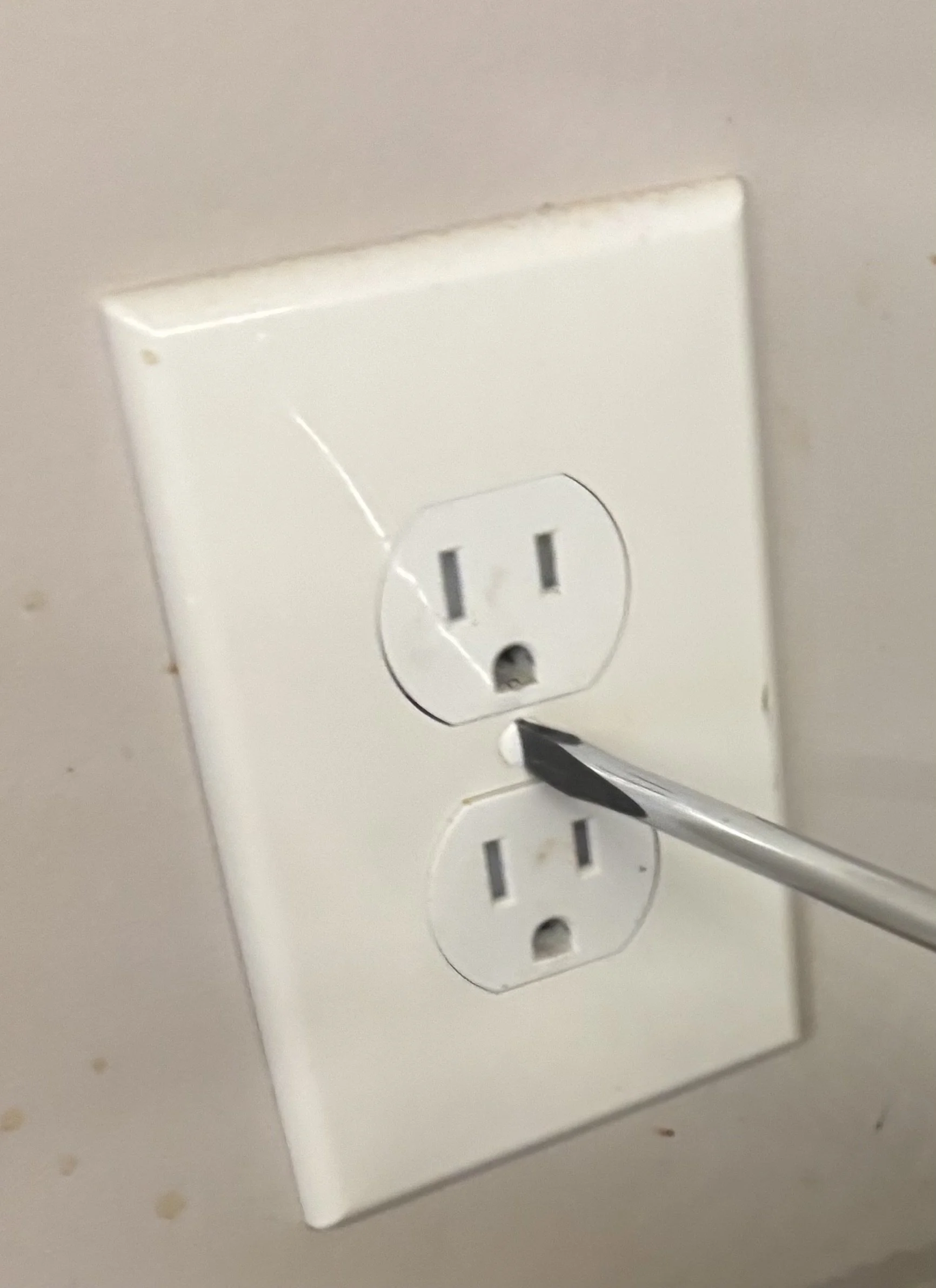
Some Outlets Don’t Work
What It Usually Means When Some Outlets Don’t Work
When some electrical outlets in a home stop working while others continue to function normally, it can be confusing and frustrating. Many homeowners are left wondering whether the issue is minor — or a sign of something that shouldn’t be ignored. The key question for most homeowners is whether the power loss is isolated and temporary — or a sign of a larger electrical interruption.
In many cases, outlets not working are related to a localized electrical interruption rather than a whole-home problem. In some situations, repeated outlet power loss may also occur alongside a breaker that keeps tripping, which can indicate a broader electrical interruption rather than an isolated outlet issue.
Educational guidance only. No repairs, testing, or diagnostics are provided.

Why Some Outlets Stop Working
When only certain outlets stop working, it usually means power is no longer reaching part of a circuit. This can happen without warning and without obvious visual signs.
For homeowners, the challenge is often not identifying that outlets aren’t working — it’s deciding whether the situation is low concern, temporary, or something that may affect safety.
Common Reasons Some Outlets Don’t Work
Sometimes an outlet suddenly stopped working, even when the breaker hasn’t tripped, and the rest of the circuit still has power. In many homes, a single upstream device can interrupt power to multiple outlets, especially when a GFCI receptacle keeps tripping due to moisture or appliance leakage.
Common contributing factors include:
A tripped circuit breaker affecting part of a circuit
A tripped ground-fault (GFCI) outlet upstream
Loose or worn connections inside an outlet
Aging wiring or components
Electrical interruptions related to recent changes or appliance use
These conditions may exist even when no visible damage is present.
When It Is Usually Lower Concern
Some outlet issues are commonly considered lower concern, especially when the situation is isolated and stable.
Examples that are often lower concern include:
One or two outlets not working while others nearby function normally
Outlets that stop working after a breaker trip and remain stable once power is restored
Outlets connected to a known GFCI device that has tripped
No heat, odor, or unusual sounds near affected outlets
These situations should still be monitored, but they are often related to localized interruptions rather than active hazards.
When to Consider Professional Evaluation
Homeowners often choose professional evaluation when one or more of the following patterns are present:
Multiple outlets failing across different areas
Outlets that stop working intermittently
Non-working outlets accompanied by warmth, buzzing, or odors
Discoloration around outlets or cover plates
Breakers that trip repeatedly when outlets are used
When these patterns are present, continued use of affected circuits without evaluation may increase risk.
Common Assumptions Homeowners Make
Homeowners sometimes assume outlets are safe because:
Other outlets in the home still work
The issue affects only one room
There are no visible signs of damage
The problem appeared suddenly and then stabilized
Electrical issues can exist without visible warning signs. A lack of obvious damage does not always indicate low risk.
What This Page Helps You Decide
This page is designed to help homeowners:
Understand why some outlets may stop working
Recognize patterns that are often lower concern
Identify warning signs that should not be ignored
Decide when professional evaluation may be appropriate
It is intended to support calm, informed decision-making, not repairs.
Want Clearer Guidance for This Situation?
Outlet problems often fall into a gray area — inconvenient, uncertain, and difficult to interpret without context.
If you want a structured, homeowner-focused way to understand why some outlets aren’t working and decide what to do next, we created a decision guide specifically for this situation.
Some Outlets Don’t Work
A Homeowner Decision Guide
Explains common outlet interruption patterns
Clarifies which situations are usually lower concern
Highlights signs that may indicate a safety issue
Helps you decide when professional evaluation may be appropriate
No repairs. No diagnostics. Just clarity.
About the Author
This page was written for homeowners by a licensed Master Electrician with professional experience evaluating residential electrical conditions. The content is provided for general educational purposes only and is not intended to offer diagnostics, repairs, or instructions.
Important Note
This page and the related guide are provided for educational and informational purposes only. They do not provide electrical advice, diagnostics, or repair instructions and do not replace an in-person evaluation by a licensed electrician.
© 2025 SafeWireGuides.com. All rights reserved.