


Breaker Keeps Tripping
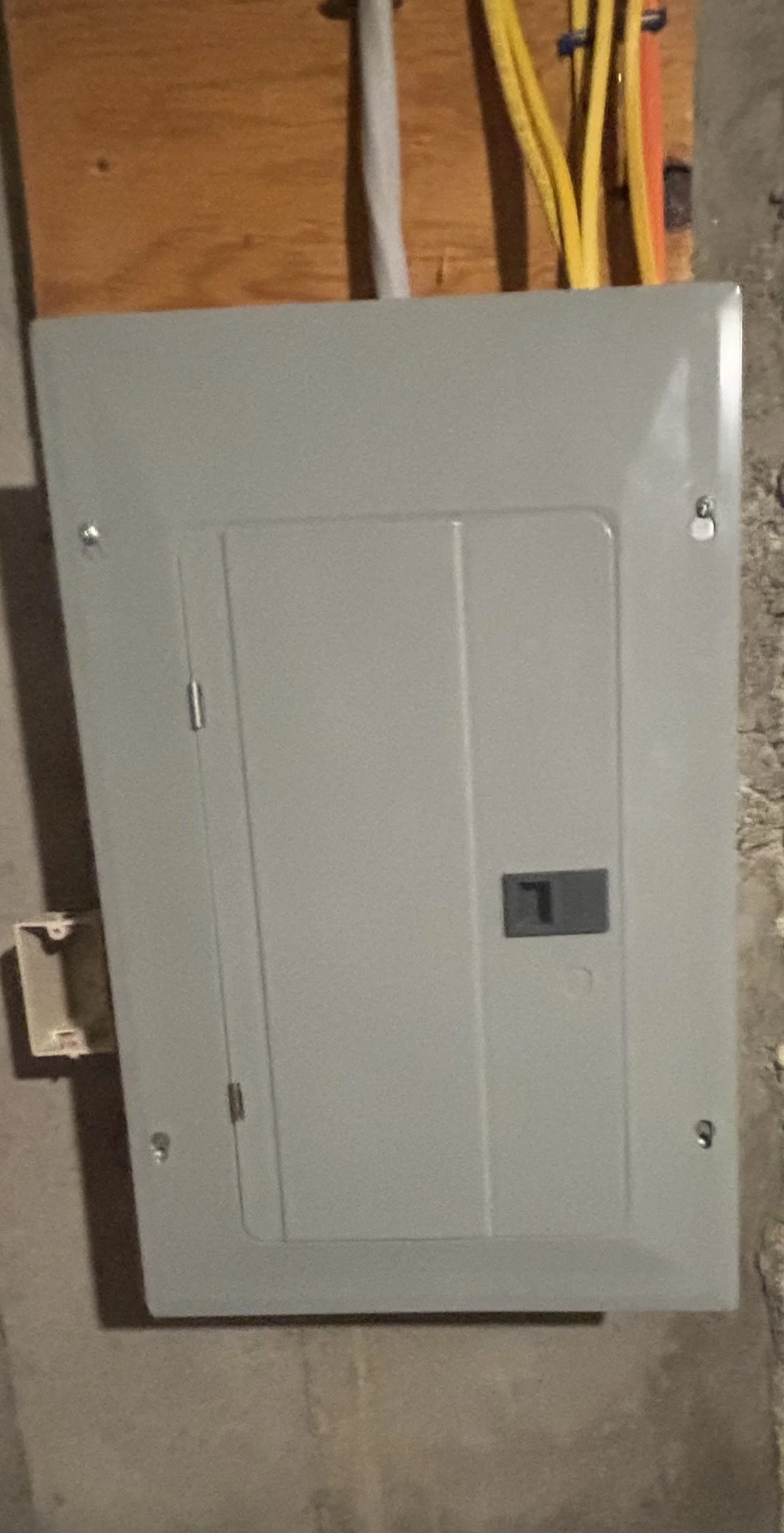
Homeowners often search this topic after a breaker trips unexpectedly or more than once. In most cases, the goal is not to repair anything, but to understand why the breaker reacted at all. This page explains common, high-level reasons a breaker may trip and what that behavior typically indicates in a home electrical system.
This question is commonly phrased in different ways, such as “breaker tripped,” “why does my breaker keep tripping,” or “what causes a breaker to keep tripping.” Although the wording varies, these searches usually reflect the same underlying concern. Circuit breakers are designed to interrupt power when certain conditions are detected. Repeated tripping generally points to a pattern rather than a one-time event.
Understanding what causes a breaker to trip helps determine whether the situation is temporary, load-related, or a sign of a broader electrical issue.
If a circuit breaker keeps tripping, it usually means something in the electrical system is being pushed beyond normal operating conditions. In some cases the cause is manageable. In others, continued use can increase risk. This page explains what it usually means — and when the situation should not be ignored. In some homes, repeated breaker tripping may be noticed alongside outlet-level issues, such as when some outlets don’t work even though others continue to have power. If the breaker trips immediately after you reset it and won’t stay on, see Breaker Won’t Reset.

What Does It Mean When a Breaker Keeps Tripping?
A circuit breaker is designed to shut off power when it detects a condition that could cause overheating or damage. Tripping is not a malfunction by itself — it’s a protective response.
When a breaker trips repeatedly, it usually indicates one of three things:
Too much electrical load on the circuit
A problem with something plugged into the circuit
An issue within the wiring or breaker itself
Understanding which category applies helps determine whether the situation is primarily inconvenient — or potentially unsafe.
Common Reasons a Breaker Trips Repeatedly
1. Too Many Devices on One Circuit
If several high-power devices are running at the same time, the breaker may trip to prevent overheating. This often happens with:
Space heaters
Microwaves
Hair dryers
Window air conditioners
In these cases, the breaker is doing its job.
2. An Appliance Is Causing the Trip
A breaker that trips when a specific appliance turns on may be reacting to an internal issue within that device. In some homes, repeated breaker trips are actually caused by ground-fault protection, especially when a GFCI Receptacle Keeps Tripping due to moisture or appliance leakage. This can include:
Motors drawing more power than expected
Aging or damaged components
Moisture exposure
Repeatedly resetting the breaker without addressing the cause can increase wear on both the breaker and the appliance.
3. The Breaker Trips Immediately After Reset
If the breaker won’t stay on — or trips instantly after being reset — this can indicate:
A short circuit
A wiring issue
A failing breaker
This is typically not something to monitor over time.
4. The Breaker Trips Occasionally Without a Clear Pattern
In cases where a breaker trips sometimes, the cause may not be immediately obvious and may differ from repeated overload conditions. Common contributing factors include:
Seasonal appliance use
Heat buildup over time
Loose connections
While not always urgent, unexplained tripping deserves closer attention.
Is a Tripping Breaker Dangerous?
Sometimes. Not always.
A breaker tripping once or twice during heavy use is often a sign of overload, not an emergency. However, continued tripping can increase risk when:
The breaker trips without heavy usage
It trips immediately after reset
You notice heat, buzzing, or burning smells nearby
The panel or breakers feel unusually warm
Related panel-level warning signs include Buzzing Electrical Panel and Electrical Panel Feels Warm. In these situations, continuing to reset the breaker without understanding the cause may increase the chance of damage.
What You Can Safely Check
Before assuming the worst, it can help to observe:
What was running when the breaker tripped
Whether the trip happens with one device or many
How often the breaker trips over time
Avoid forcing a breaker to stay on or repeatedly resetting it without understanding why it’s tripping.
When to Stop Using the Circuit
It’s generally a good idea to stop using the circuit and avoid further resets if the situation suggests the issue may go beyond simple overload.
Continued use under these conditions can increase risk rather than clarify the cause.
When to Consider Professional Evaluation
Homeowners often choose professional evaluation when one or more of the following patterns are present:
• The issue persists or worsens over time
• Symptoms occur without a clear or repeatable trigger
• Heat, buzzing, or unusual odors are present
• Power behavior becomes inconsistent or unpredictable
• The situation cannot be clearly explained through observation alone
Learn More About This Issue
If your breaker keeps tripping and you want a clearer, step-by-step explanation of what may be happening — and how to think through the situation calmly — the guide below walks through the most common scenarios in plain language.
About the Author
This page was written for homeowners by a licensed Master Electrician with professional experience evaluating residential electrical conditions. The content is provided for general educational purposes only and is not intended to offer diagnostics, repairs, or instructions.
Important Note
This page and the related guide are provided for educational and informational purposes only. They do not provide electrical advice, diagnostics, or repair instructions and do not replace an in-person evaluation by a licensed electrician.